

The old saying is, “If a tree fell in a forest and no one was around, would it make a sound?” It seems the modern-day analogue has become “If a tree fell in the forest and nobody broadcast it live on Facebook, did it really even happen?”
In today’s hyper-connected era, every like, share and comment acts as a digital echo that can ripple across the entire web.
Social media is a powerful conduit for communication, awareness and engagement. It can be used to amplify a message and foster real interactions between real people the world over. And brands have become very wise to the potential of social media.
The more followers you have, the louder your voice. The bigger your follower count, the more impressions your content can make. Social media platforms are great for facilitating conversations and projecting brand humanity — key desires in today’s consumers.
Success is now, in many ways, measured in likes and engagement rates; in fact, marketers regularly calculate engagement rate averages and follower growth rate figures to benchmark performance and forecast return on investment (ROI).
However, not all those hearts and thumbs-ups are created equal. In the clamor to boost their follower counts, it’s possible some brands and influencers were fooled by fake followers. Pushed to the extreme, some may even pay for such bogus traffic.
Here’s what you need to know about these fraudster accounts and why they’re a net negative to your content, influencer marketing campaigns and overall social media presence.
A Rising Concern in the American Information and Media Market
Not all bots are bad, but the perception is that most are. Falsified social media accounts have become a nuisance and very often the source of endless amounts of spam. However, they can just as easily be semi-forged identities with real pictures and fake info that make posts designed to trick an audience.
Either way, brands and influencers should stay on high alert, especially when dealing with fake followers and social media scandals that erode trust. Fake followers on social media have been a trending topic since the 2016 presidential election, when numerous fake accounts spread misinformation.
Such was the fallout that a late 2018 survey from Pew Research Center found two-thirds of Americans had at least heard of social media bots. The overwhelming context surrounding this public knowledge was negative: Of those respondents who had heard of bots, 80% thought they were used for negative purposes.
Political interference aside, bots have also been criticized for showing up in the follower counts of brands and social influencers. While Pew found Americans might support the government’s use of a bot to disseminate critical emergency information (78% deemed it acceptable), 67% said it would not be acceptable for an influencer to juice their following with bots.
Brands pay the price when fake accounts number among their real followers — but it’s not always easy to cull such counterfeits from the crowd, particularly when they’re buried inside millions of followers or obscured by an inflated follower growth rate.
Why Are Fake Followers a Problem?
Most reputable brands and influencers understand the costs of buying followers — both in the real cash they hand over for impostors, and in the damage to reputation they incur when those accounts are eventually exposed.
NFL Hall of Fame linebacker Ray Lewis lost nearly half his X (Twitter) followers in one day after the service scrubbed fake accounts during a mid-July operation that saw the following lists of several other celebrities drop precipitously.
Besides, fake followers aren’t going to generate the type of engagement brands desire.
Still, even steering clear of nefarious pay-for-follower schemes doesn’t inoculate brands entirely against the threat of fake followers. These pretenders and bots have become legions across social media, ensnaring unknowing brands and influencers.
Even former President Barack Obama lost a fraction of followers despite being nowhere near the shady businesses that peddle inauthentic accounts. The company at the center of that scandal reached a settlement with New York state in connection to the allegations of deceptive practices.
When influencers fake followers, the collateral damage extends to every partner brand because follower count engagement metrics suddenly become unreliable. That means your campaign’s follower checker tool or analytics dashboard can’t tell you whether impressive numbers actually represent genuine engagement.
To Catch a Fake Follower
The thick tangle of fake followers demonstrates the risks brands face in social media campaigns or influencer marketing partnerships — reputationally, financially and even legally. The value of likes can be diminished by the real threat of fake followers. So how can content marketers ensure real people populate their follower counts and that their influencer engagement remains authentic?
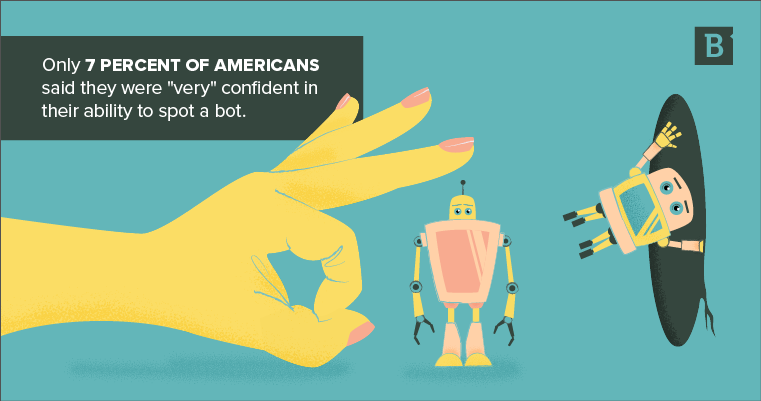
Truth is, while red flags do exist, it’s not an easy task to identify fake accounts. In the Pew research, few Americans who had heard of social media bots expressed confidence that they could identify one. Only 7% said they were “very” confident in their ability to spot a bot; that was more than doubled by the 15% who were “not at all” confident. 40% said “somewhat,” and 38% said “not very.”
Content marketers fighting the good battle against hoaxsters do have strategies available to them; strategies they can use to keep their real followers far from the madding fake crowd. Take a look below:
Look at the Metrics
One of the easiest ways to pick out a fake account is by examining a few key ratios. Not every bot is apparent on the surface of a profile picture, but its social activity is the tale of the tape.
Consider:
- Followers-to-following ratios: Unless it’s a known influencer like Kanye, who has tens of millions of X followers but follows fewer than a couple of 100 accounts himself, a disproportionate followers-to-following ratio can raise suspicions of a fake account.
- Average engagement rate and average likes per post: There should be some balance between how often an account posts and the frequency with which it receives comments, likes and such.
By consistently tracking monthly follower count, engagement and growth trend statistics, you’ll have a benchmark for genuine engagement. Thereafter, you can more easily spot fake followers when anomalies appear.
Sample the Content Quality
Taking one look at a user’s history of posting is an easy way to separate the wheat from the chaff. If they, for a wild example, post a picture of a pair of Ray-Ban sunglasses and tag every person under the living sun in it, it may be time to sever social media ties.
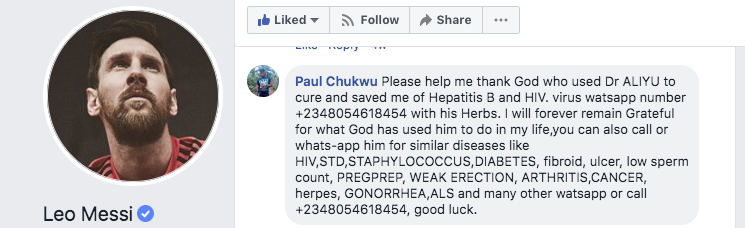
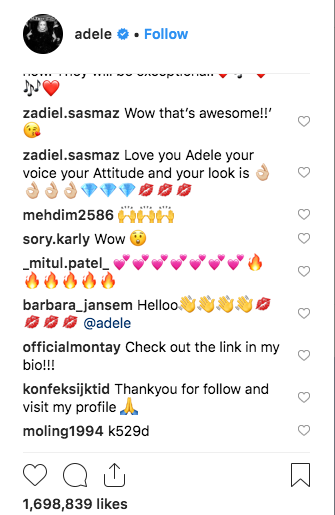
However, it’s not always going to be as apparent as that. Fake accounts are often behind activity that is repetitive or blatantly promotional, or contains jagged syntax and excess punctuation.
Fake followers often distinguish themselves from real people when you look at the comments they leave, especially on influencer marketing campaigns that should otherwise spark meaningful dialogue.
Use an Automated Solution
You’re not without assistance in addressing the tide of fake followers. There are a number of businesses that offer services that marketers can leverage. There are also free resources that brands, influencers and regular people can utilize.
Simply do your research (make it thorough while you’re at it) plus your due diligence to find the resources, channels, platforms or tools that work for you.
Do a Spot Check
It also helps to be proactive. Content marketers often have hundreds of things to do, but take some time to undertake a bit of personal oversight. Doing a random check of recent followers is a good way to pick out the bad apples before they rot.
Looking at the profiles of real people will help you get a better feel for how to identify the fakesters, even when they try their best to fool or scam their way in.
A quick follower check, even once a month for starters, can reinforce your influencer engagement metrics and protect your brand from accounts with fake followers.
When you’ve taken all these steps, it’s time to remove the indisputably fake followers. Block those accounts and keep a further eye on ones that show red flags.
With this information, these tips and modern follower checker tools, content marketers can make real progress in addressing fake followers, safeguarding genuine engagement and ensuring every campaign produces measurable, authentic results.
Editor’s Note: Updated November 2025